Her Tune Now: How American Women Are Claiming Their Rightful Place at the Heart of Irish Music
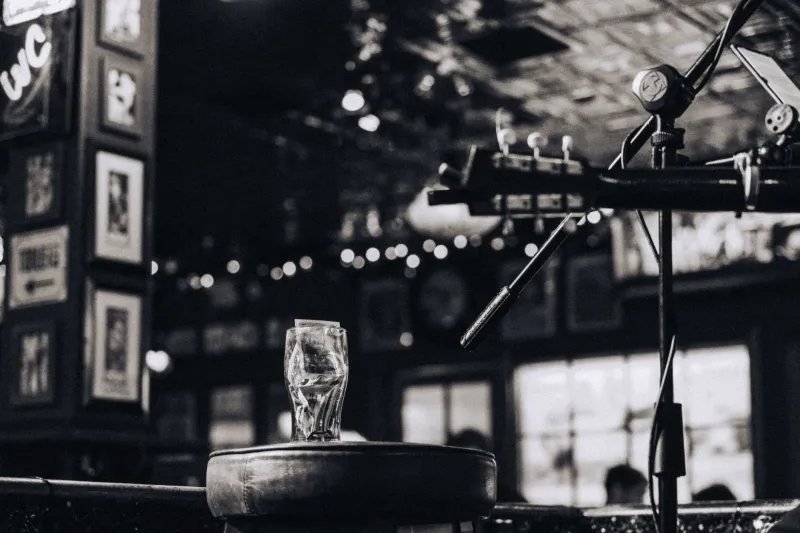
There's a photograph that keeps circulating in Irish music circles online. It's black and white, taken sometime in the 1970s, and it shows a pub session in full swing — a dozen musicians packed around a corner table, pints raised, instruments out. Every single person in the frame is a man.
That image has become a kind of shorthand for a conversation that's been building for years: where were the women, and what took so long to notice they were missing?
Across the United States right now, that conversation has stopped being theoretical. Women are not waiting to be invited to the table anymore. They're booking the venue, organizing the session, leading the band, and — crucially — making some of the most compelling Irish traditional music happening anywhere on the continent.
The Myth of the Male Default
Ask anyone steeped in the history of Irish music and they'll tell you the male-dominated session wasn't always the norm. Early recordings and historical accounts are full of women — fiddle players, singers, keeners, harpists. The harp itself, Ireland's national symbol, was long associated with female tradition. Yet somewhere in the journey from rural kitchen to urban pub, the aesthetic calculus shifted. The smoky bar session became coded as masculine space, and women — even those with formidable technique — often found themselves on the periphery.
In America, that dynamic got layered on top of immigrant culture, where Irish identity was often performed publicly through men's organizations, pipe bands, and competitive athletics. Women's contributions to the music were real, but they tended to happen in domestic settings, in kitchens and living rooms, in church halls during céilí fundraisers. Visible? Not especially.
"There's this idea that trad music is somehow ancient and therefore fixed," says one Boston-based session organizer who has been running women-centered Irish music nights for the past three years. "But tradition isn't a museum exhibit. It's a living thing. And it lived in women's hands just as much as men's — we just weren't photographed as often."
Who's Playing Now
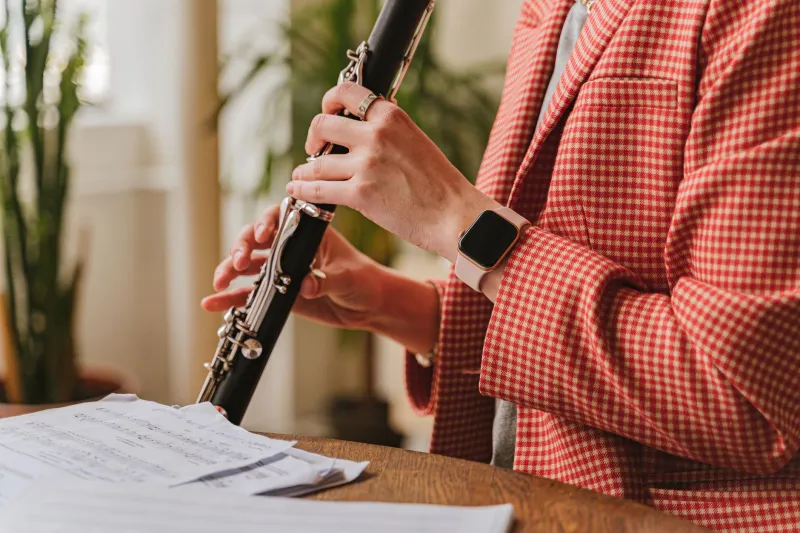
Walk into certain sessions across Chicago, New York, San Francisco, and Nashville these days and the demographic picture looks genuinely different. Women are showing up not just as singers — the one role that was always somewhat permissible — but as uilleann pipers, bodhrán players, flute leads, and concertina players running the tempo of the whole room.
The uilleann pipes, long considered one of the most technically demanding instruments in the Irish tradition, are having a particular moment among American women. The instrument is expensive, physically complex, and requires years of patient study. It was also, for most of the 20th century, almost exclusively played by men in public settings. That's changing fast. Female pipers are appearing at festivals from Milwaukee's Irish Fest to the Philadelphia Folk Festival, and their presence is drawing a new kind of attention — the kind that makes younger girls in the audience think, I could do that.
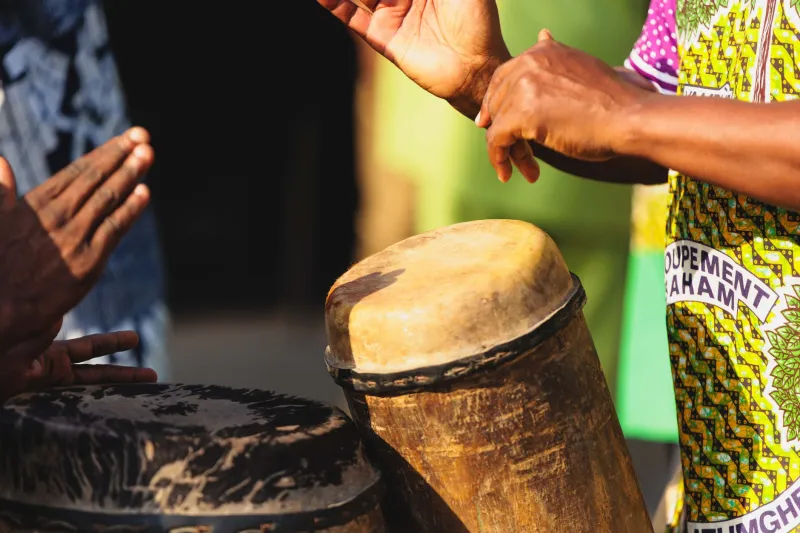
The bodhrán, that deceptively simple-looking frame drum explored in depth elsewhere on this site, has also become a point of entry for women who want to participate in sessions without years of melodic instrument study. But female bodhrán players are increasingly refusing the beginner-instrument framing. They're developing complex, nuanced playing styles that challenge the idea that the drum is a supporting role instrument.
Women Running the Room
Perhaps the most significant shift isn't who's playing — it's who's organizing.
Across American cities with active Irish music scenes, women have stepped into the role of session leaders and event producers in growing numbers. These are the people who book the space, set the tone, welcome beginners, manage the flow of tunes, and ultimately determine what kind of culture a session creates. It's unglamorous, often unpaid work. It's also enormously powerful.
All-female céilí organizing committees have sprung up in cities like Denver and Austin, creating events that feel deliberately more welcoming to people who might have felt out of place in the traditional pub session format. These aren't sanitized, acoustic-only affairs either — they're loud, joyful, full of whiskey and argument and genuinely great music. They just happen to center women's leadership in a way that older formats rarely did.
Women-fronted trad bands are also multiplying across the American scene. Groups built around female vocalists and instrumentalists are drawing audiences that cross the usual Irish music demographic lines — younger listeners, people with no Irish heritage, folk fans who came in through a completely different door. The music is the hook, but the visibility of women leading it is part of what makes it feel fresh.
Why Now?
Several forces seem to be converging at once.
Social media has been a genuine equalizer. Female Irish musicians who might have spent a decade playing to small pub audiences are now building national and international followings through Instagram and TikTok, where a clip of someone absolutely destroying a set of jigs on the uilleann pipes can hit a million views before the weekend is out. The gatekeeping function of the traditional session — where you had to physically show up and prove yourself in real time — has been bypassed, at least partially.
The broader cultural moment around women's representation in music has also created permission structures that didn't exist before. Conversations about gender in folk and roots music scenes have been happening loudly in adjacent worlds — Americana, bluegrass, country — and those conversations have spilled over into Irish music circles. Younger musicians entering the tradition are arriving with different expectations about who gets space.
There's also something happening generationally within Irish America itself. The Irish diaspora community in the US is in the middle of a genuine cultural revival, with younger Americans reconnecting with heritage they feel they were never quite given. Women are a huge part of that reconnection — and they're not interested in inheriting a version of the tradition that sidelines them.
What Still Needs to Change
None of this means the work is done. Female musicians in the trad world still report being talked over in sessions, having their instrument choices questioned, being assumed to be beginners regardless of their actual skill level. The economics of the scene — who gets paid to perform, who gets booked for the prestige gigs, who gets recorded and distributed — still skew male in ways that aren't always obvious from the outside.
And there's a quieter tension around the question of authenticity. Irish traditional music carries enormous cultural weight, and any change to its social structures can provoke defensive reactions from people who conflate tradition with the specific demographics of a particular historical moment. Women pushing into more visible roles sometimes face pushback framed in terms of purity or tradition, when what's really being defended is a relatively recent and never-particularly-accurate status quo.
But the momentum is real, and it's not reversing.
The Tune Belongs to Everyone
At its core, Irish traditional music was never meant to be owned by any one group. The tunes passed from hand to hand, generation to generation, across kitchens and fields and emigrant ships and living rooms in Cleveland and Boston and Chicago. Women were in all of those rooms. They always were.
What's happening now isn't a takeover or a correction. It's more like a long-delayed acknowledgment that the music was always this wide, always this inclusive, always this much everyone's inheritance.
The photograph might have shown only men. But the music they were playing? Women taught half of them how.