Hard Shoes, Big Dreams: How Competitive Irish Dancing Became America's Wildest Athletic Obsession
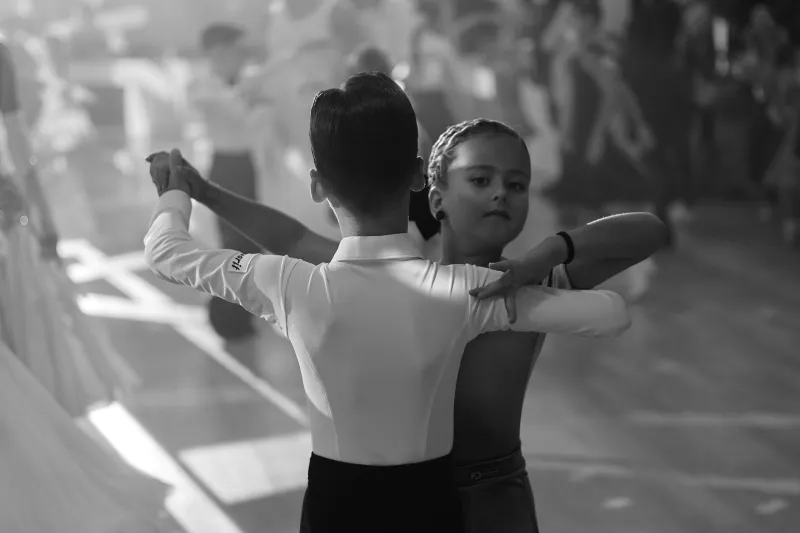
Walk into a regional Irish dance competition on a Saturday morning in, say, Columbus or Charlotte or Scottsdale, and you might need a second to take it all in. There are sequined dresses that cost more than a decent used car. There are kids — some of them nine years old — warming up with the focused intensity of Olympic sprinters. There are parents clutching coffee cups with the thousand-yard stare of people who have driven four hours before sunrise. And underneath all of it, there's something genuinely electric happening in American youth culture.
Competitive Irish dancing — the world of feiseanna (pronounced FESH-anna), regional championships, and ultimately the World Irish Dancing Championships held each spring in Ireland — has been quietly building momentum in the US for decades. But lately, the scene has hit a different gear. Studios are reporting waitlists. Regional competitions are drawing hundreds more entries than they did five years ago. And perhaps most striking: a huge chunk of the kids now hammering out treble jigs and hornpipes have no Irish ancestry whatsoever.
From Riverdance to Real Life
Most people trace the modern boom to Riverdance's 1994 Eurovision debut and the touring shows that followed. That spectacle — Michael Flatley, Jean Butler, the thundering unison lines — planted a seed in millions of American living rooms. But the competitive world that's grown from that moment is something far more demanding, far more nuanced, and honestly far more interesting than any stage show.
"People think it's a performance thing," says Maeve Donohue, who runs a school in the Chicago suburbs and has been coaching competitive dancers for over twenty years. "And sure, there's artistry. But what I'm really doing every day is training athletes. The physical demands are comparable to gymnastics or figure skating. We just don't get the same recognition for it."
She's not exaggerating. Elite competitive Irish dancers train upward of fifteen to twenty hours a week. The footwork requires explosive power, precise timing, and a kind of full-body control that takes years to develop. Injuries — shin splints, stress fractures, ankle sprains — are common. And unlike recreational dance, the competitive track runs on a formal ranking system administered by governing bodies like An Coimisiún le Rincí Gaelacha (the Irish Dancing Commission), which means there are actual stakes at every step.
The Financial Reality Nobody Talks About
Let's be honest about something the Irish dance community doesn't always advertise: this is an expensive pursuit. A solo dress for a competitive dancer can run anywhere from $800 to well over $3,000. Wigs — yes, wigs are standard — add another few hundred dollars. Hard shoes, soft shoes, practice gear, competition fees, travel to feiseanna, and private lessons on top of group classes? Families routinely spend $10,000 or more per year on a serious dancer's career.
"We had to have some real conversations as a family," admits Derek Vasquez, whose thirteen-year-old daughter Sofia has been competing for four years in the San Antonio area. "She's Mexican-American, not a drop of Irish blood, but she fell in love with it at a school showcase and we couldn't say no. We've restructured our whole vacation budget around competitions. But watching her on that stage? I can't put a price on it."
Sofia is exactly the kind of dancer reshaping the demographics of the sport. Across the country, studios report that their student bodies are increasingly diverse — kids from Latino, Asian-American, Black, and South Asian families making up significant portions of competitive rosters. The culture has been welcoming, most families say, though conversations about representation in costume design and competition aesthetics are ongoing and necessary.
The Community That Forms in the Wings
Here's the thing nobody expects until they're in it: the community. Feiseanna run long — sometimes two full days — and families spend hours together in convention center hallways, hotel lobbies, and parking lots. Friendships form. Rivalries turn into mutual respect. Parents who started as strangers end up carpooling across state lines.
"My closest friends in the world right now are Irish dance parents," says Tamika Rhodes, whose son Jaylen competes out of a studio in Atlanta. "We didn't have anything in common on paper. But we're all in this together. We all know what it's like to watch your kid pour everything into something and then have to pick them up when the scores don't go their way."
That emotional dimension — the wins, the heartbreaks, the slow climb through the competitive grades — is something coaches say creates resilience that extends well beyond the dance floor.
"I've had kids who didn't qualify for Nationals five years in a row," says Donohue. "And then they made it. And what they learned in those five years about grit and patience and showing up anyway? That's the real curriculum."
Worlds or Bust
At the top of the pyramid sits the World Irish Dancing Championships — An Oireachtas Rince na Cruinne — held in Ireland each Easter. Getting there requires placing at regional and national qualifiers, and for American dancers, it means a transatlantic trip that adds significant cost. But for those who make it, the experience is transformative.
"You walk into that venue and there are dancers from forty countries," says Caitlin Park, a nineteen-year-old from Seattle who has competed at Worlds twice. Her parents immigrated from South Korea. "And everyone is there for the same reason. The Irish kids, the Australian kids, the kids from Canada and Germany and the US — we're all obsessed with the same thing. It's this weird, specific world, and it's the most at-home I've ever felt anywhere."
That sense of belonging — crossing cultural lines through a shared, demanding art form — might be the most Irish thing about the whole enterprise. Because at its core, Irish culture has always been about community forged through music, movement, and showing up together.
The hard shoes are just the beginning.